
A useful business-management lesson: growth without cost control is not healthy growth.
Victoria Beckham launched her fashion brand in 2008 with a clear ambition: to build a serious luxury fashion house, not simply a celebrity label.

The brand gained recognition, expanded internationally and increased sales. But there was a major management problem: the business grew faster than its finances could support.
By the mid-2010s, Victoria later acknowledged that the company was already tens of millions in the red.
Where was the money going?
The issue was not simply weak demand. The company had built a cost structure more suitable for a much larger fashion house. One of the most striking examples later revealed was spending around £70,000 a year on office plants, plus approximately £15,000 to maintain and water them. But the plants were only a symbol of a much wider problem. The company also carried:
- a large workforce, with salary costs running into roughly £10 million a year at one stage,
- offices in London and New York,
- physical stores,
- expensive luxury production,
- fashion shows and marketing,
- international expansion,
- high wholesale exposure,
- and increasingly significant borrowing.
The lesson is simple: revenue growth does not automatically create a healthy company if the cost base grows even faster.

2017: sales up, losses up too
Revenue reached around £42.5 million, but the company still reported an operating loss of approximately £10.2 million. That year, NEO Investment Partners invested around £30 million to support growth and restructuring.
2018: the problem becomes harder to ignore
Sales fell to around £35 million, while pre-tax losses widened to approximately £12.2 million. Shareholders injected another £13.5 million, and bank borrowing had risen significantly.
Pricing was another problem. Some products were positioned at extremely high luxury price points, limiting the available customer base. Management later acknowledged that pricing needed to change.
2019: beauty creates a second growth engine
The launch of Victoria Beckham Beauty was an important strategic move. Beauty products are generally easier to scale than highly complex luxury clothing collections, and the category eventually became an important part of the wider group.
2020: the business is forced to simplify
The pandemic accelerated changes that probably needed to happen anyway. The company:
- reduced staff,
- cut the number of products produced,
- simplified collections,
- improved supply-chain management,
- and increased direct-to-consumer sales.
Pre-tax losses fell from approximately £15.6 million in 2019 to £6.8 million in 2020. That is the important management point: the turnaround started when the company became more selective about where money was being spent.
2021–2024: less complexity, better focus
The brand gradually moved toward:
- more disciplined pricing,
- fewer products,
- stronger-performing categories,
- better cost control,
- more direct sales,
- and continued expansion of beauty.
Instead of trying to behave like a much larger fashion house, it started building a model closer to the size and economics of the actual business.
2025: the breakthrough
Victoria Beckham Holdings finally reported its first operating profit, approximately £7.3 million, with revenue reaching around £129.8 million. The turnaround did not come from one viral dress or one lucky season. It came from years of restructuring, cost control, better pricing, fewer unnecessary products, improved operations and diversification into beauty.
The business lesson
Victoria Beckham’s story is a useful reminder that: growth and good management are not the same thing. A company can have:
- strong branding,
- rising sales,
- international exposure,
- loyal customers,
- and still lose money.
If the organisation grows faster than its financial capacity, complexity can destroy value. Sometimes the most important growth strategy is not expansion. It is learning what to stop paying for, what to simplify and where the business actually makes money. And one Fashion Week footnote: Brooklyn Beckham and Nicola Peltz were in Paris this week and attended the Balenciaga show as guests, while Victoria prepared her own Paris Fashion Week presentation.
The business lesson
Victoria Beckham’s story is a reminder that growth and good management are not the same thing. A company can have a strong brand, rising sales, international visibility and loyal customers — and still lose money if complexity and costs grow faster than the business itself. But there is another lesson here too: persistence matters.
Victoria could have walked away from the business after years of losses, repeated capital injections and criticism. Instead, she kept rebuilding it. She brought in outside investors, accepted restructuring, cut costs, reduced product complexity, adjusted pricing, developed new revenue streams and continued refining the brand.
That willingness to change direction is important from a management perspective.
She also did several things well:
- she built a brand with a clear identity rather than relying only on celebrity status,
- she stayed consistent long enough to gain credibility in the fashion industry,
- she expanded into beauty instead of depending entirely on clothing,
- she accepted that parts of the original model were not working,
- and she kept the brand alive long enough for the restructuring to show results.
The turnaround did not come from one lucky product. It came from resilience, better financial discipline, sharper product decisions and the willingness to keep adapting after years of failure. That may be the strongest lesson from the Victoria Beckham business story: sometimes success is not about getting the original strategy right.
It is about being willing to change it before the business runs out of time.
Sources: Netflix • The Guardian • Vogue • People
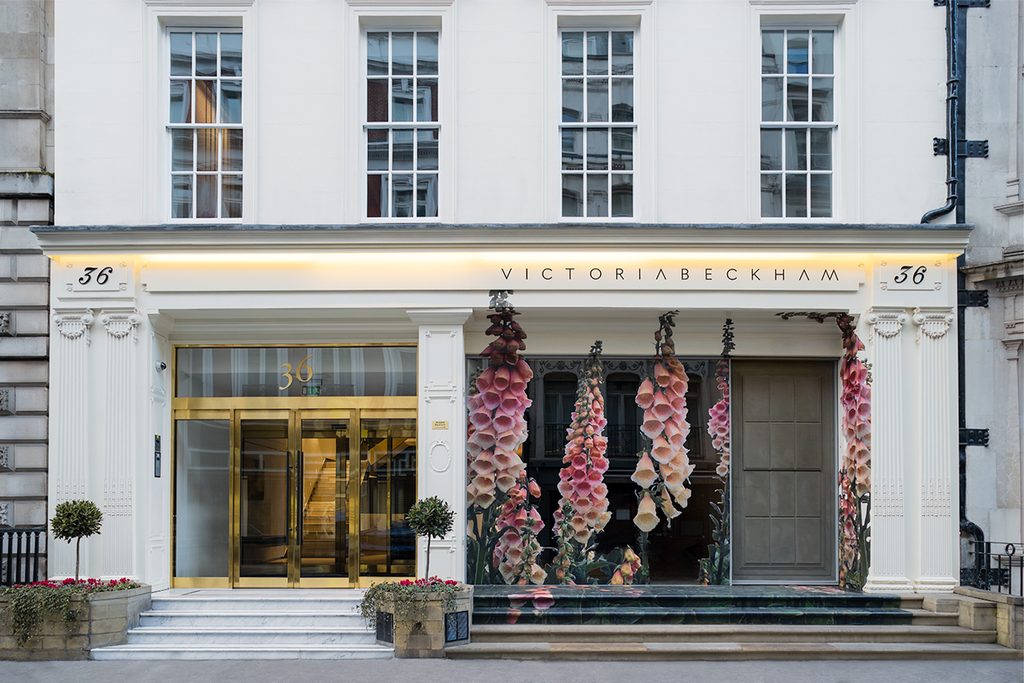
Victoria Beckham Flagship Store – MEP Consultancy – Surrey and London – EM Tecnica