

Why Interest Rates Affect Businesses — Even Without a Business Loan
Interest rates do not affect only companies that borrow money. They influence how much consumers...

Why Cutting Staff Can Cost a Business More Than It Saves
Why Cutting Staff Can Cost a Business More Than It Saves Reducing headcount is one...

Gen Z Is Struggling to Enter the Job Market — and It’s Not Just About Their Reputation
Gen Z is entering the workforce in growing numbers, but starting a career is becoming...
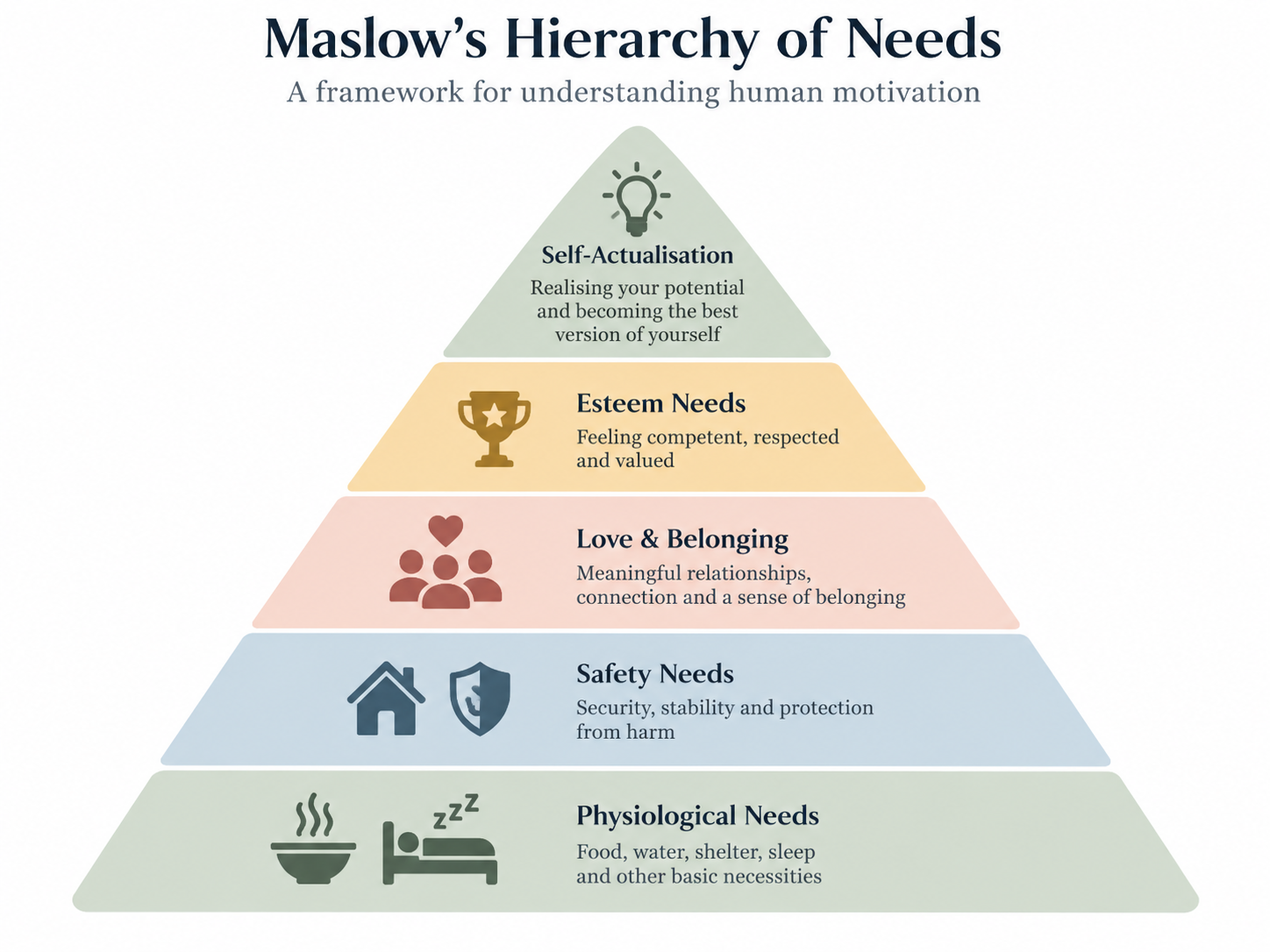
Work-Life Balance Is Not a Luxury: What Maslow’s Hierarchy Can Teach Us About Sustainable Performance
Modern working life often rewards visible productivity. Long hours, constant availability and packed schedules can...
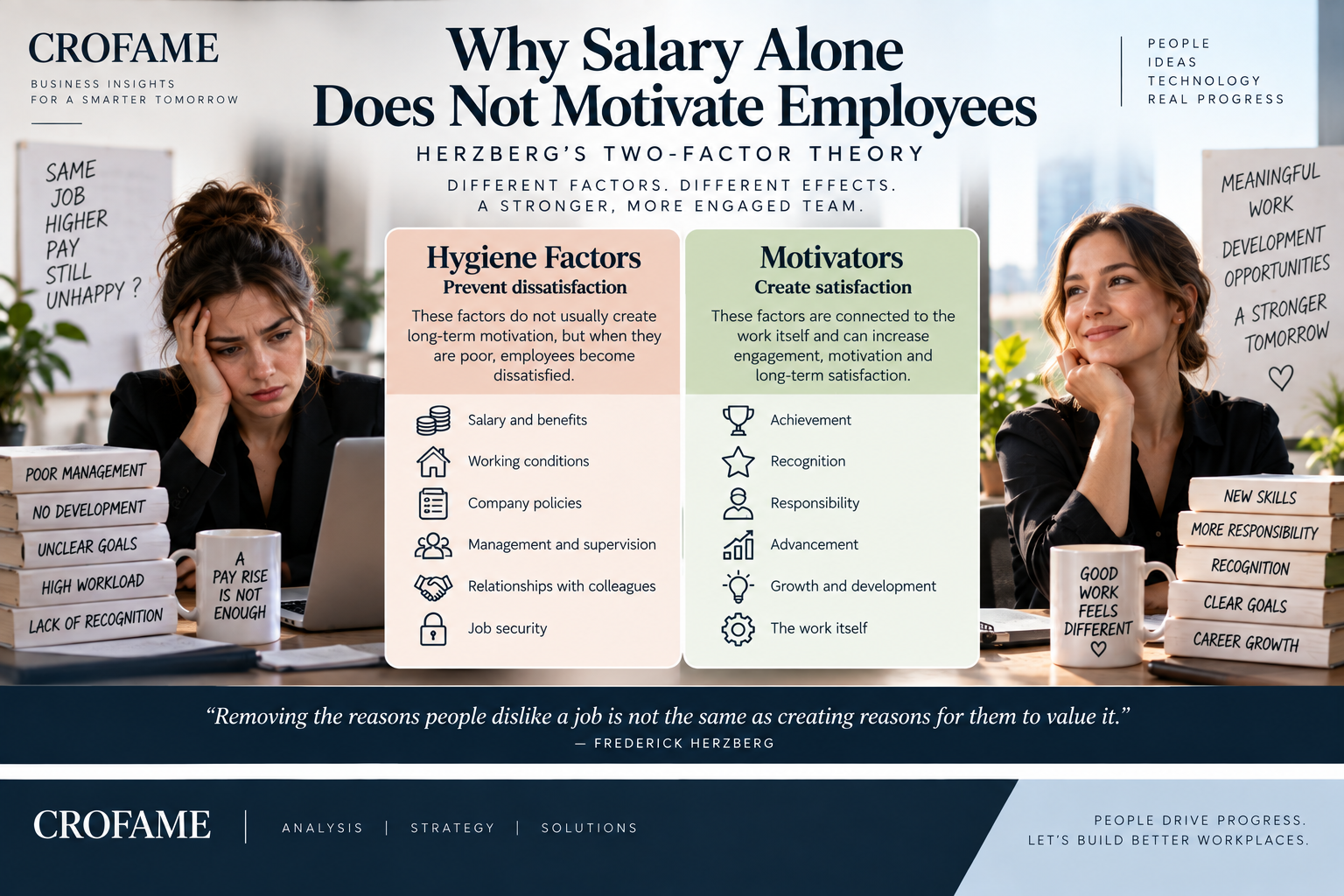
Why Salary Alone Does Not Motivate Employees: Herzberg’s Two-Factor Theory
A pay rise can make an employee happier, but it does not automatically make the...
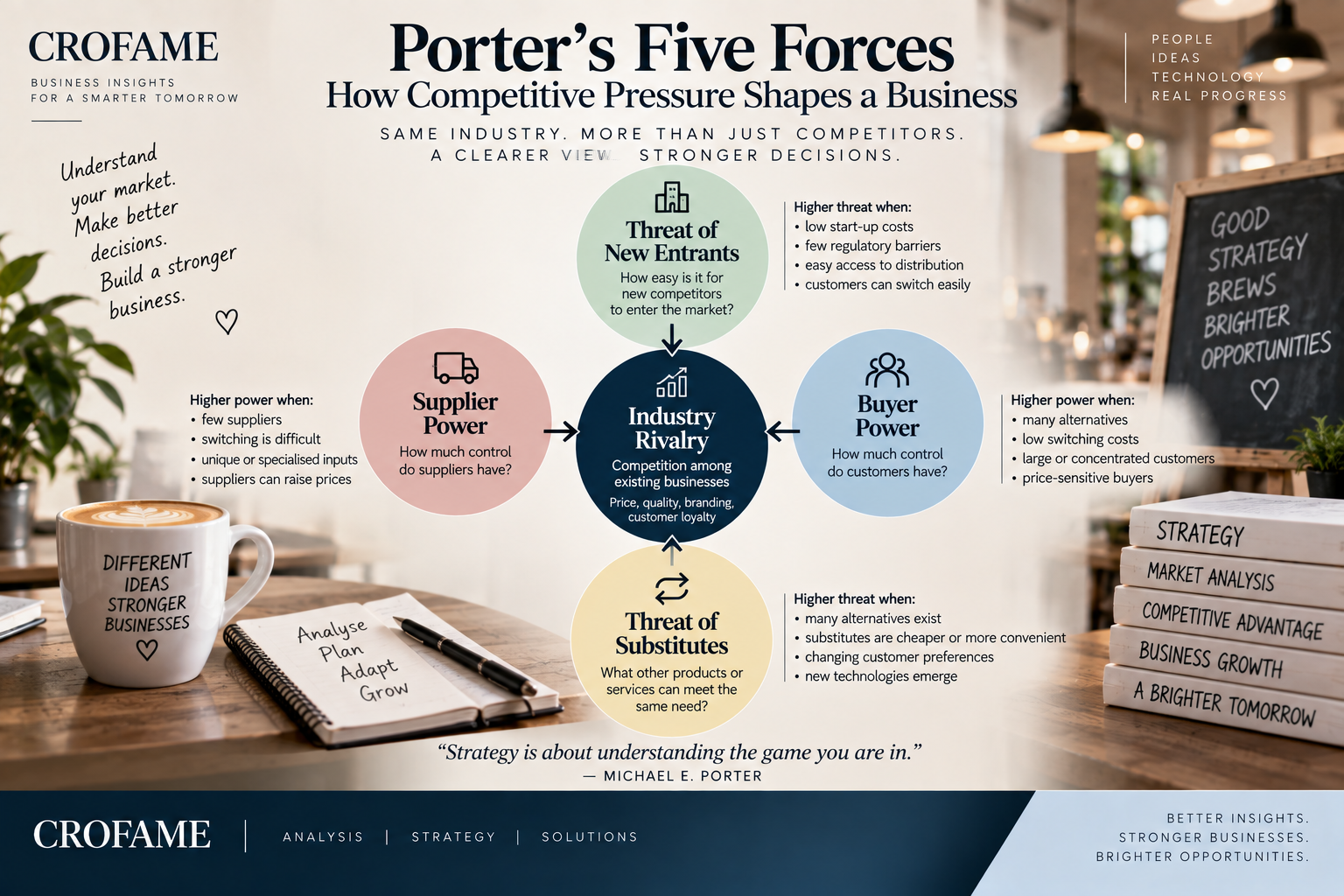
Porter’s Five Forces: How Competitive Pressure Shapes a Business
A business does not compete only with companies selling the same product. Its profitability can...

Why Most Business Problems Are Symptoms, Not Causes
Sales are falling, so the marketing budget is increased. Projects are delayed, so another project...

Victoria Beckham Burned Millions Before Her Brand Finally Turned a Profit
A useful business-management lesson: growth without cost control is not healthy growth. Victoria Beckham launched...

The Cost of Poor Business Decisions
Poor business decisions rarely destroy a company overnight. More often, they quietly reduce profitability, create...
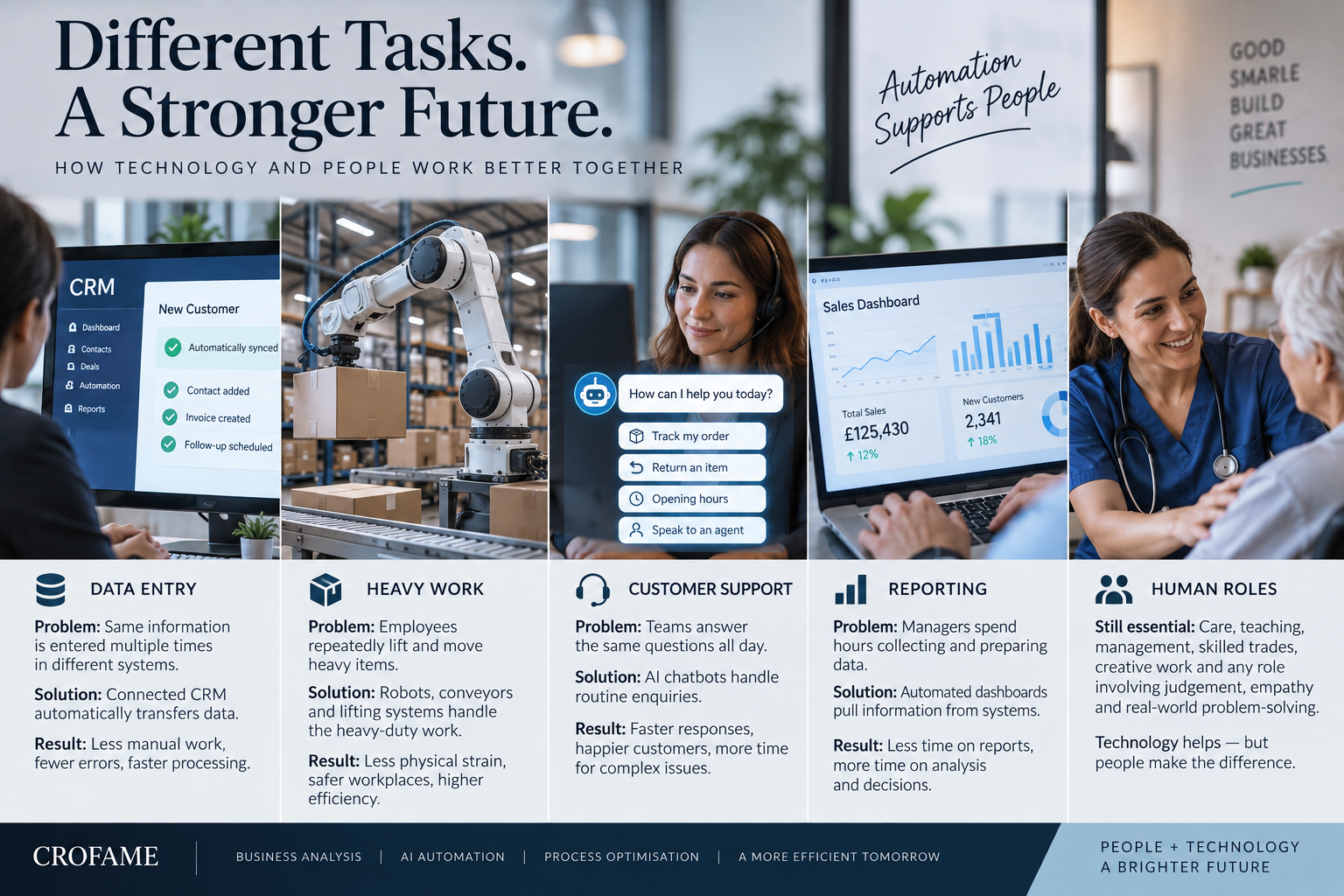
Which Jobs Can Technology Replace — and Which Still Need People?
Which Jobs Can Technology Replace — and Where Will People Still Be Needed? Automation does...

Where AI Actually Creates Value in Small Businesses — and Where It Doesn’t
Artificial intelligence has quickly moved from being a specialist technology to something almost any business...
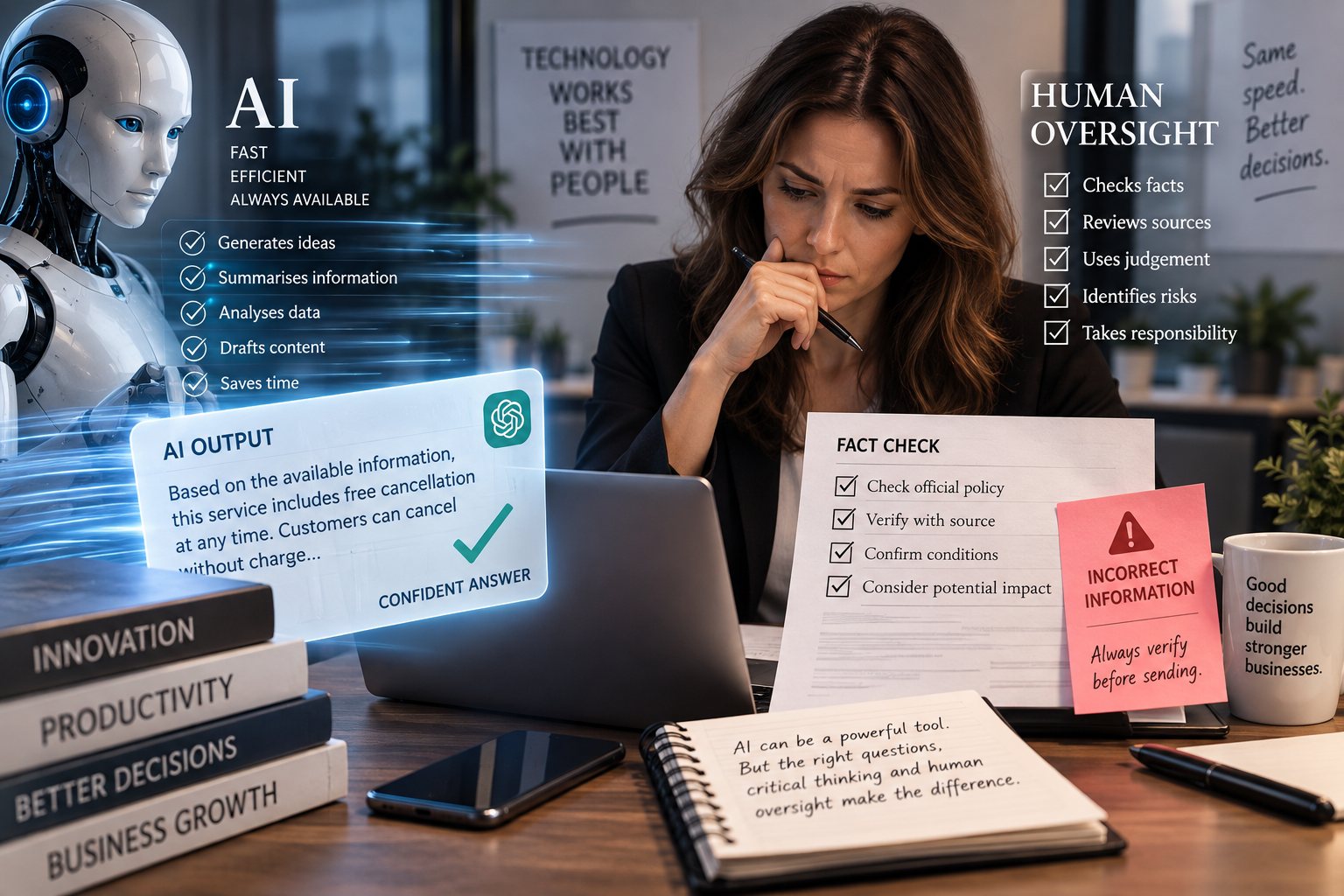
AI Can Be Fast and Wrong: Why Human Oversight Still Matters in Business
Artificial intelligence can complete tasks in seconds that would previously have taken employees hours. It...

Revenue Is Growing — So Why Is the Business Still Struggling?
Revenue growth is usually treated as good news. More customers, more sales and a larger...
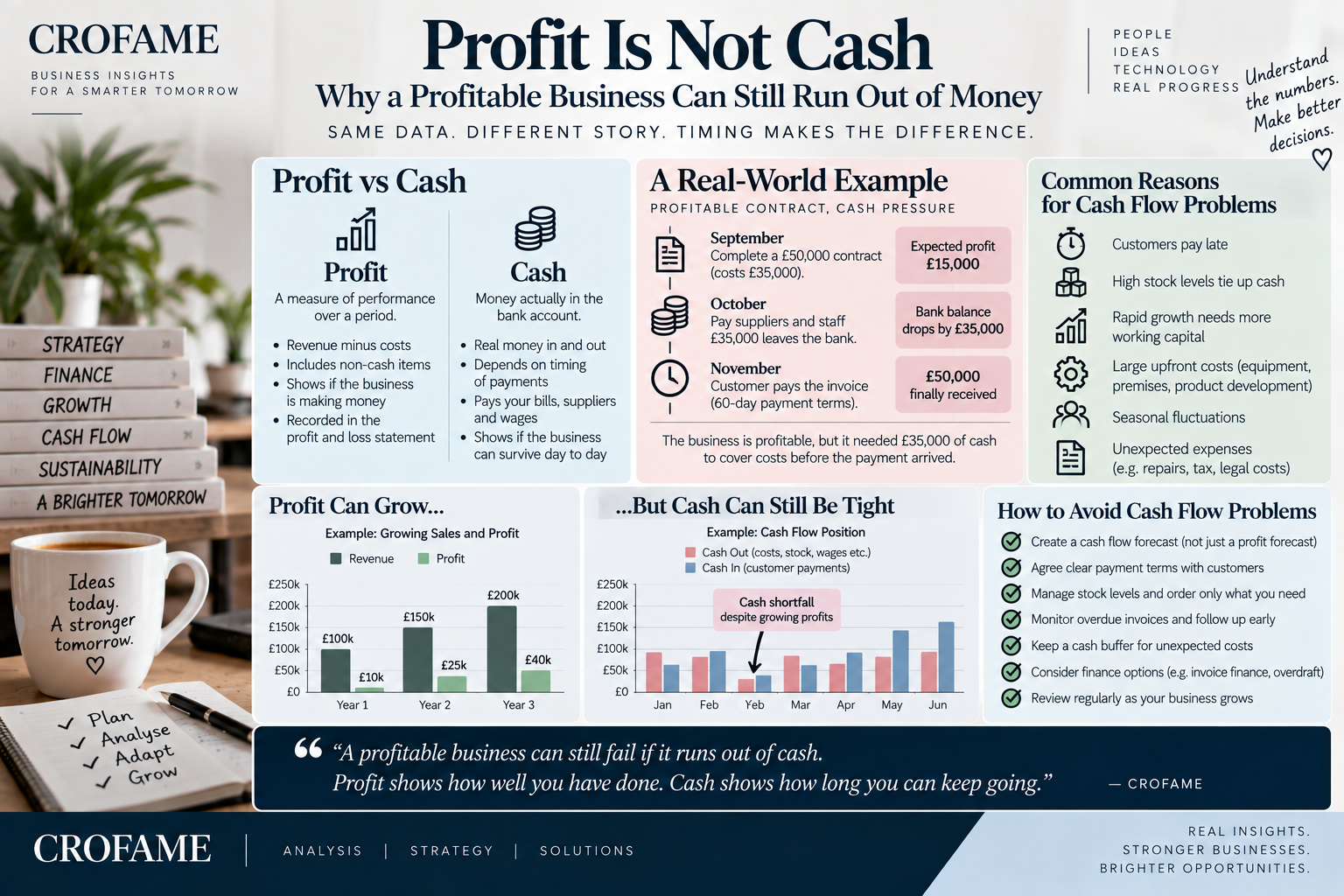
Profit Is Not Cash: Why a Profitable Business Can Still Run Out of Money
A business can be profitable on paper and still struggle to pay wages, suppliers or...
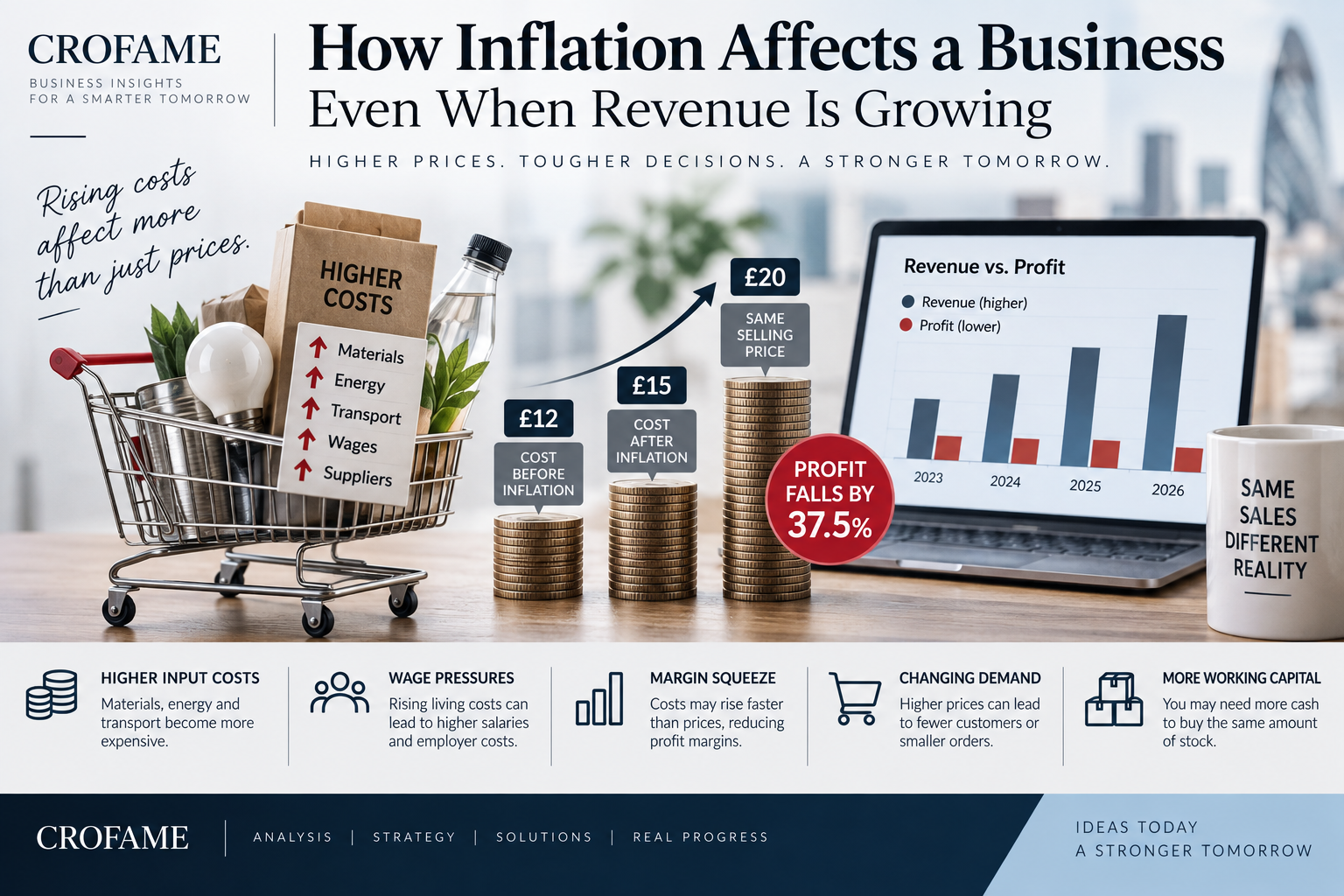
How Inflation Can Hurt a Business Even When Revenue Is Growing
Revenue growth usually looks positive. If a company sells more this year than last year...
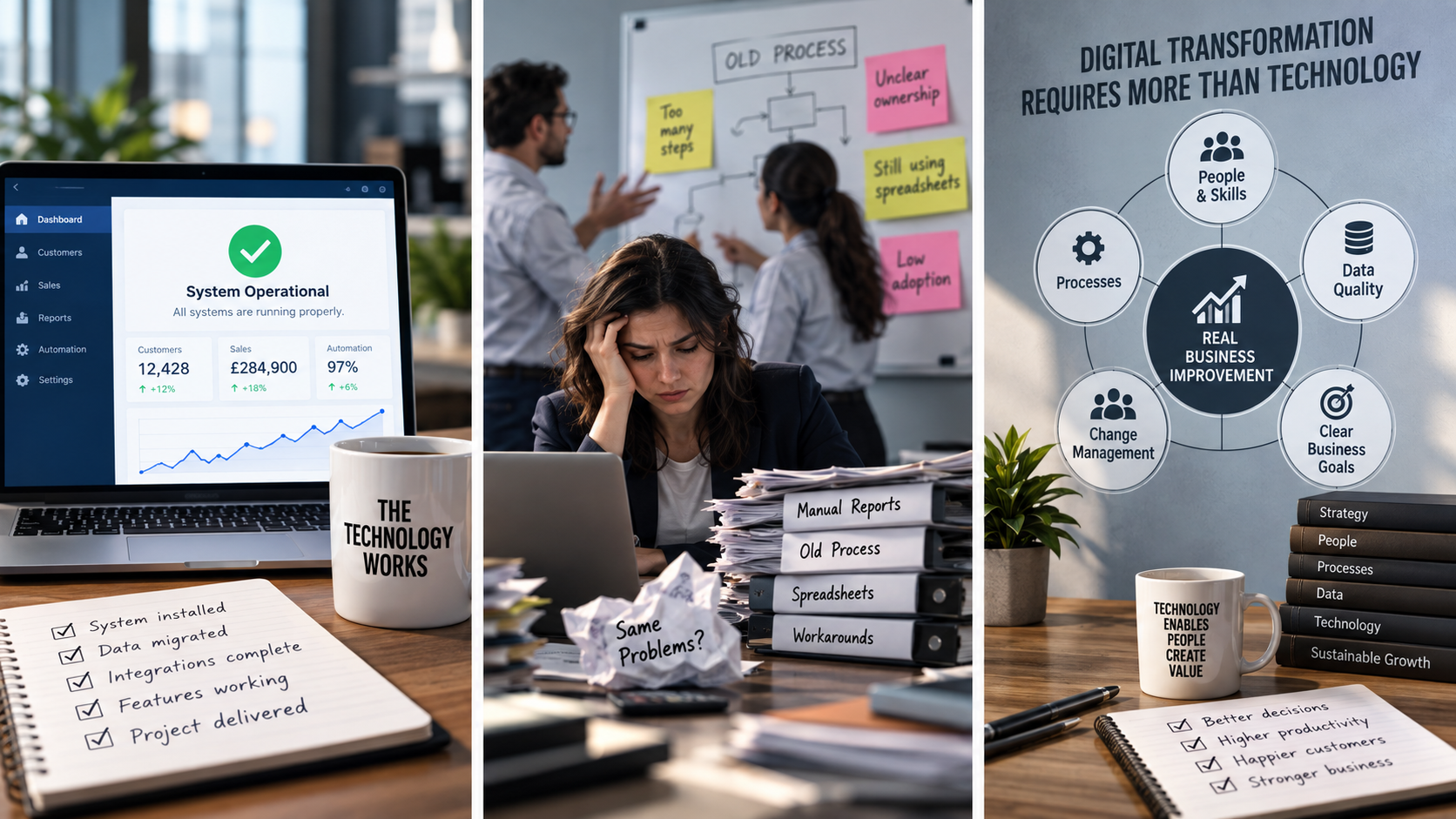
Why Digital Transformation Fails Even When the Technology Works
Why Digital Transformation Fails Even When the Technology Works A company can buy excellent software...
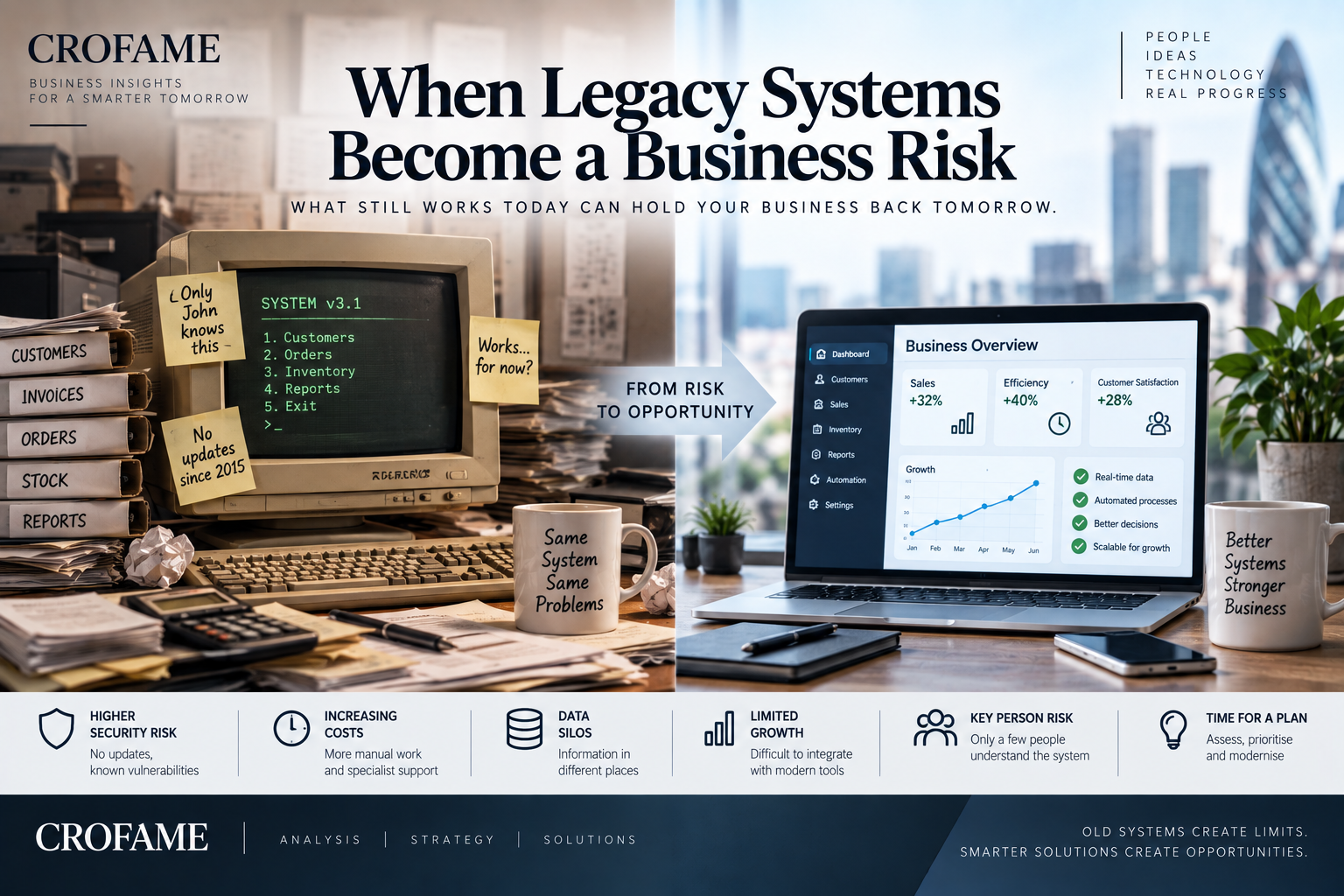
When Legacy Systems Become a Business Risk
Older technology is not automatically bad technology. Many businesses continue using systems that were introduced...
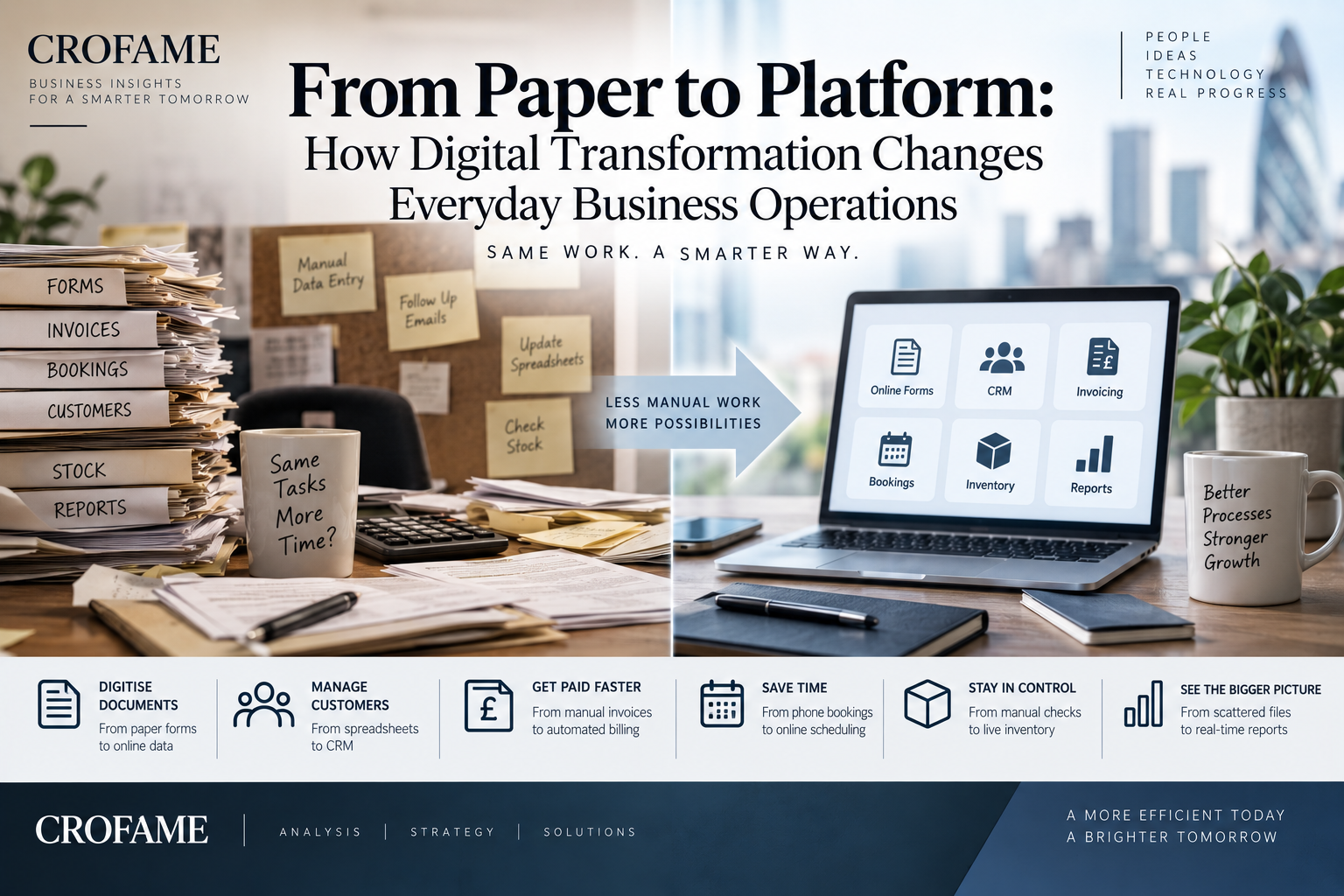
From Paper to Platform: How Digital Transformation Changes Everyday Business Operations
Digital transformation does not have to begin with artificial intelligence, robotics or a large technology...

Why Some Businesses Grow Faster Than Others
Some businesses grow quickly while others remain almost the same size for years. The difference...
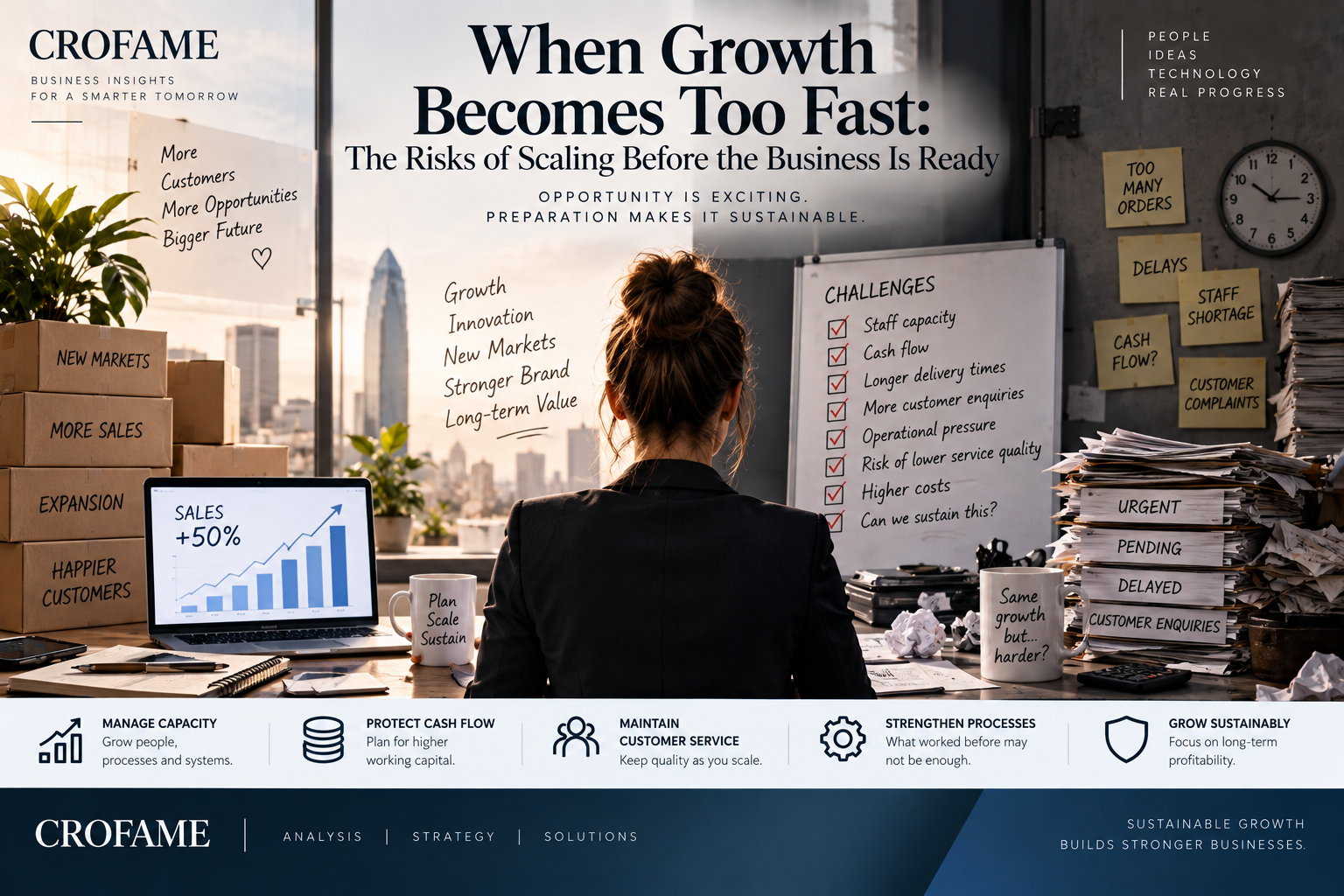
When Growth Becomes Too Fast: The Risks of Scaling Before the Business Is Ready
Rapid growth is usually treated as a success. More customers, higher sales and larger contracts...
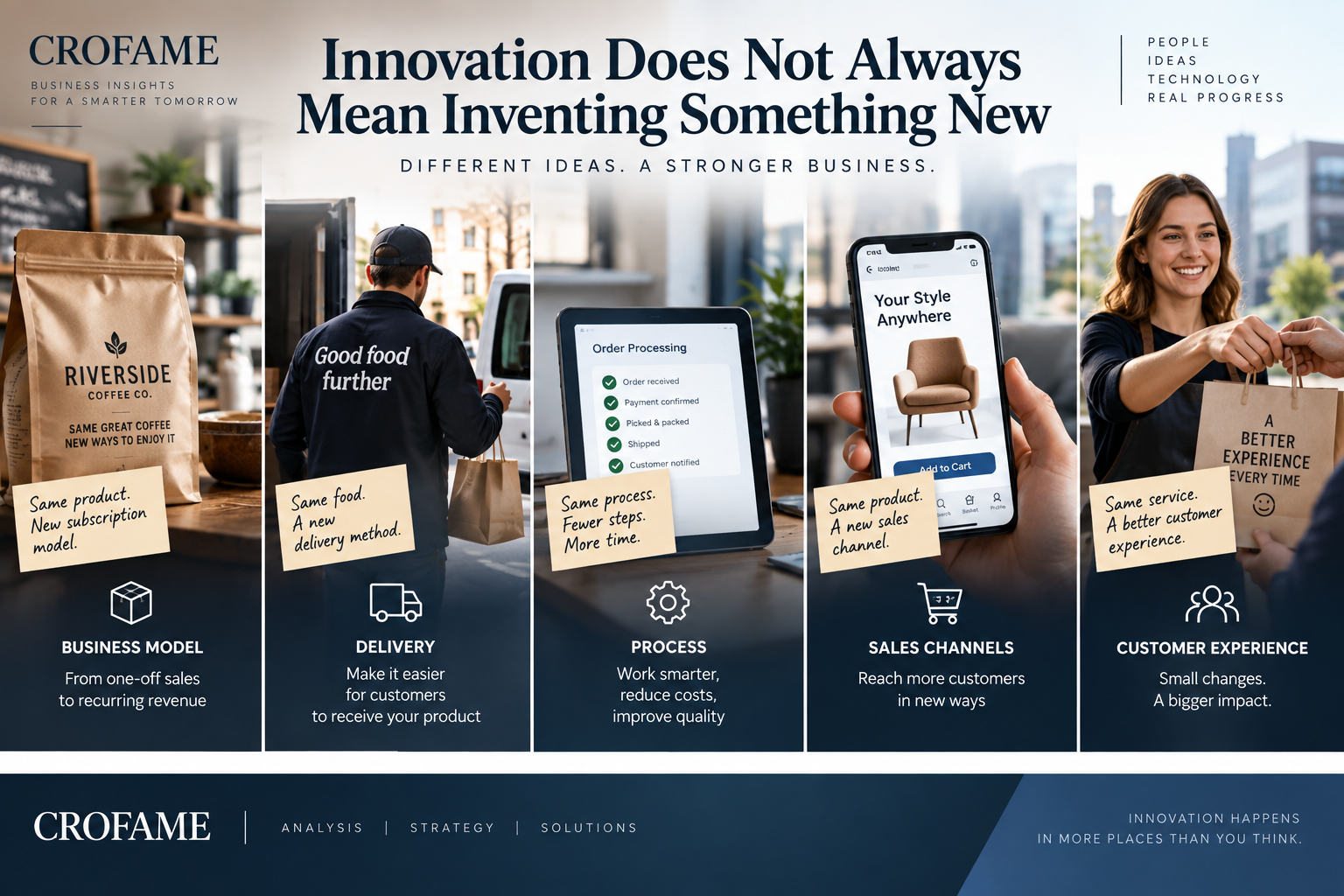
Innovation Does Not Always Mean Inventing Something New
Innovation is often associated with breakthrough inventions, new technologies or completely new products. In practice...

Why Inefficient Processes Cost More Than Businesses Realise
Why Inefficient Processes Cost More Than Businesses Realise Most inefficient processes do not look dramatic...
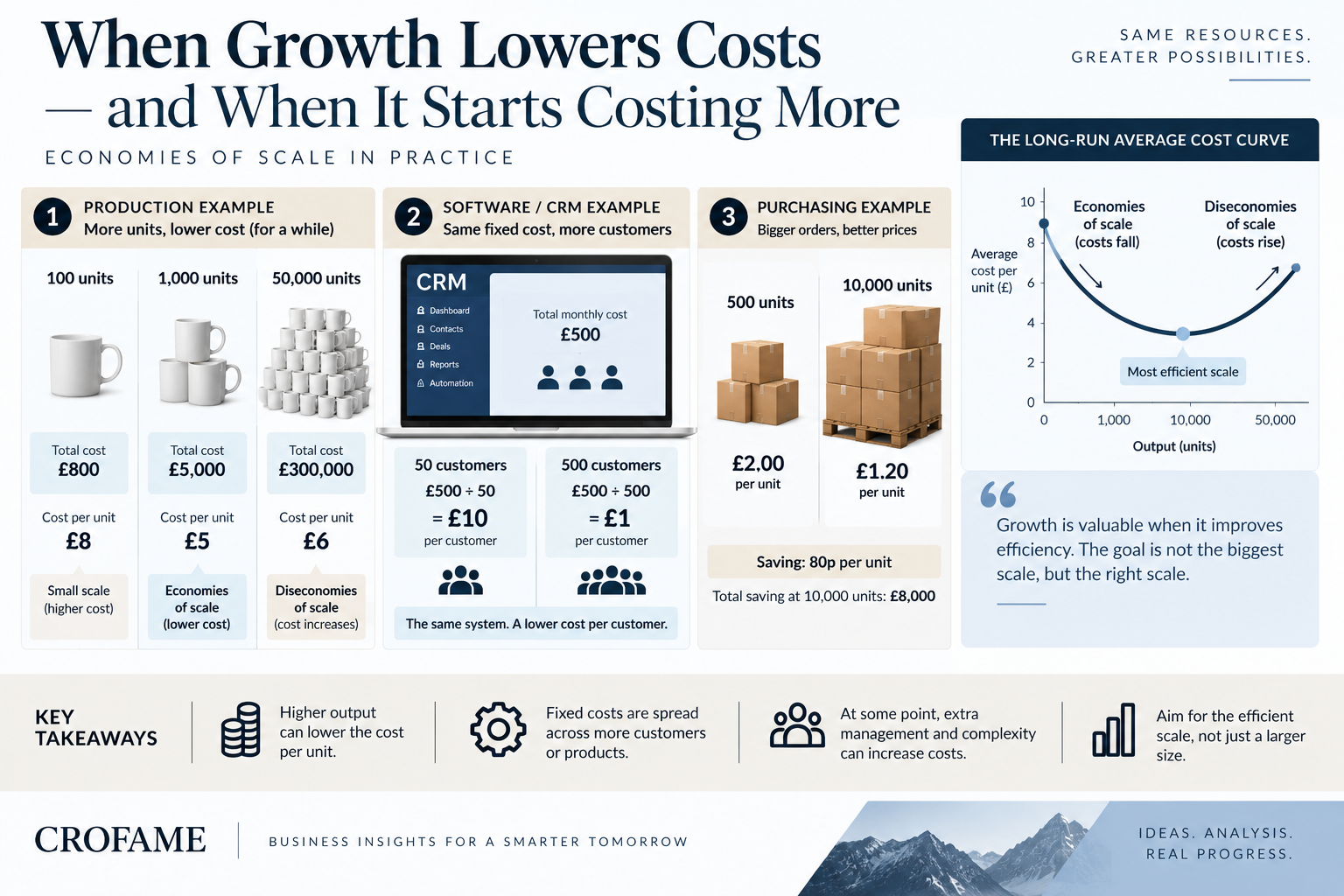
When Growth Lowers Costs — and When It Starts Costing More
When Growth Lowers Costs — and When It Starts Costing More Growth is usually seen...

Automation Should Support People, Not Just Replace Tasks
Automation Should Support People, Not Just Replace Tasks Automatyzacja jest często przedstawiana jako sposób na...